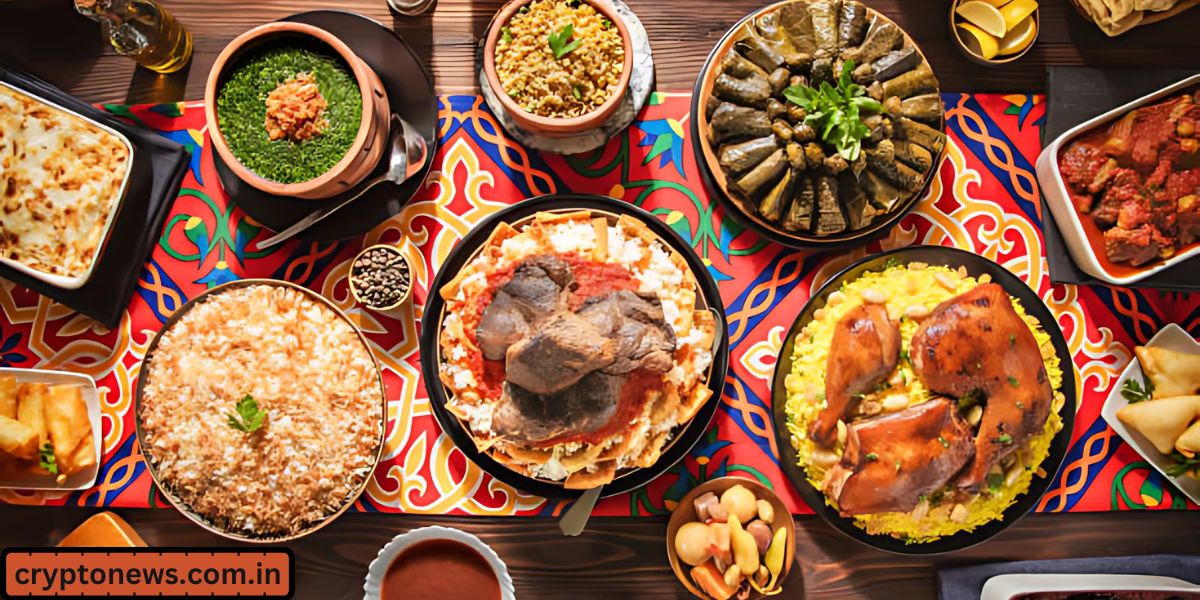

Culaina Grosaina is a term that embodies the essence of culinary heritage, especially within the context of European and Mediterranean traditions. It represents not just a style of cooking but a deeper cultural narrative. This article explores the origins, significance, and cultural implications of Culaina Grosaina, taking a closer look at its preparation, flavors, and historical relevance across various regions. By delving into this rich gastronomic history, we aim to highlight why Culaina Grosaina continues to captivate food lovers and experts alike.
What is Culaina Grosaina? Understanding Its Definition
Culaina Grosaina refers to a specific style of cuisine that is deeply rooted in tradition, particularly within Mediterranean and European culinary practices. It focuses on hearty, rustic dishes often made with locally sourced ingredients. The name itself carries a sense of both tradition and innovation, blending classic cooking methods with modern adaptations. In essence, Culaina Grosaina is about embracing rich flavors, utilizing seasonal produce, and paying homage to centuries-old cooking techniques.
The term often refers to dishes that are flavor-packed, emphasizing slow-cooked meats, stews, and roasted vegetables that allow the natural flavors to meld and develop over time. Many of these dishes are rooted in agricultural practices and often take inspiration from traditional farming communities where food was prepared in large quantities to feed entire families or communities.
The Historical Roots of Culaina Grosaina
The origins of Culaina Grosaina can be traced back to the medieval and Renaissance periods in Europe, particularly in the Mediterranean region. Ancient culinary traditions from countries like Italy, Spain, Greece, and France strongly influence the development of these hearty dishes. In these regions, food was often prepared in large quantities due to the communal nature of dining, and recipes were passed down through generations, ensuring that certain cooking techniques remained intact.
Throughout history, Culaina Grosaina was associated with the feast culture, where lavish banquets were prepared for important occasions. The rich, bold flavors and robust ingredients used in these dishes were designed to please both the palate and the eye, making them a staple in celebrations, festivals, and communal gatherings.
Culaina Grosaina is also influenced by the agricultural lifestyle of the regions where it thrived. Local farmers relied heavily on seasonal vegetables, whole grains, and meat from their livestock, which were cooked in large pots over open fires or in traditional ovens. This connection to self-sufficiency and sustainability remains a key aspect of the cuisine today.
Key Ingredients in Culaina Grosaina Dishes
To truly understand Culaina Grosaina, it is essential to explore the ingredients that form the backbone of these dishes. Some of the key ingredients that are frequently used in this type of cuisine include:
- Root vegetables: Carrots, turnips, and potatoes are staples that form the base of many hearty stews and soups.
- Seasonal greens: Leafy greens such as spinach, kale, and collard greens add freshness and balance to the richness of the dishes.
- Meat: Traditionally, lamb, goat, and pork are commonly used meats in Culaina Grosaina recipes. These meats are often slow-cooked to tender perfection, allowing the flavors to develop fully.
- Herbs and spices: Garlic, rosemary, thyme, and bay leaves are just a few of the herbs and spices that lend a distinctive flavor profile to Culaina Grosaina dishes.
- Olive oil: A key component of Mediterranean cuisine, olive oil serves as both a cooking medium and a flavor enhancer in Culaina Grosaina dishes.
- Wine and vinegar: Wine often finds its way into the stews and braises of Culaina Grosaina, adding acidity and depth of flavor. Vinegar is also used to balance richness.
The use of these ingredients helps to create dishes that are not only satisfying but also packed with complex, layered flavors that speak to the tradition and artistry of Culaina Grosaina.
Famous Dishes of Culaina Grosaina Cuisine
Several classic dishes are emblematic of Culaina Grosaina cooking. These dishes highlight the traditional methods and ingredients that have come to define the cuisine:
1. Slow-Cooked Lamb with Root Vegetables
This dish is a quintessential example of Culaina Grosaina cuisine. The lamb is braised for hours with a selection of root vegetables like carrots, potatoes, and parsnips. The slow cooking process allows the lamb to absorb the flavors of the vegetables and herbs, creating a melt-in-your-mouth experience. The addition of wine or stock enhances the depth of flavor, making it a dish perfect for special occasions.
2. Mediterranean Stews
Mediterranean stews are an integral part of Culaina Grosaina. These stews typically combine meat, seasonal vegetables, and herbs in a hearty, satisfying broth. A popular variation is the caponata, a vegetable-based stew that combines eggplant, tomatoes, onions, and capers to create a tangy, savory dish. Often served with crusty bread, these stews are perfect for family gatherings and communal dining.
3. Roasted Pork with Herb Infused Oil
Another beloved dish in the Culaina Grosaina repertoire is roasted pork, which is often marinated with a blend of garlic, rosemary, and thyme, then slow-cooked to crispy perfection. The result is a succulent, juicy roast that pairs wonderfully with seasonal greens and potato gratin.
4. Vegetable Medley with Olive Oil
A simple yet iconic dish, the vegetable medley showcases the bounty of the season. It combines a variety of fresh vegetables, such as zucchini, bell peppers, and tomatoes, all roasted with a generous drizzle of extra virgin olive oil. A touch of balsamic vinegar or lemon juice helps balance the richness of the olive oil.
Culaina Grosaina in the Modern World
While Culaina Grosaina has deep historical roots, its influence continues to be felt in modern cooking. Contemporary chefs are increasingly looking to traditional cuisines for inspiration, and Culaina Grosaina is no exception. Today, you can find modern takes on these classic dishes, often incorporating local, sustainable ingredients and plant-based alternatives to cater to evolving dietary preferences.
The rise of slow food movements and the emphasis on sustainable cooking practices have led to a renewed interest in traditional culinary methods, making Culaina Grosaina more relevant than ever. Chefs are finding creative ways to incorporate traditional flavors while embracing the modern demands for health-conscious meals, vegetarian options, and lighter fare.
Conclusion
Culaina Grosaina offers a glimpse into the rich culinary heritage of Europe and the Mediterranean, providing not only delicious dishes but also a connection to centuries of tradition. From slow-cooked meats to hearty stews and vegetable-based dishes, the flavors of Culaina Grosaina are designed to nourish the body and soul. As this style of cooking continues to evolve, its influence remains deeply embedded in modern culinary trends, ensuring its place in kitchens for generations to come.