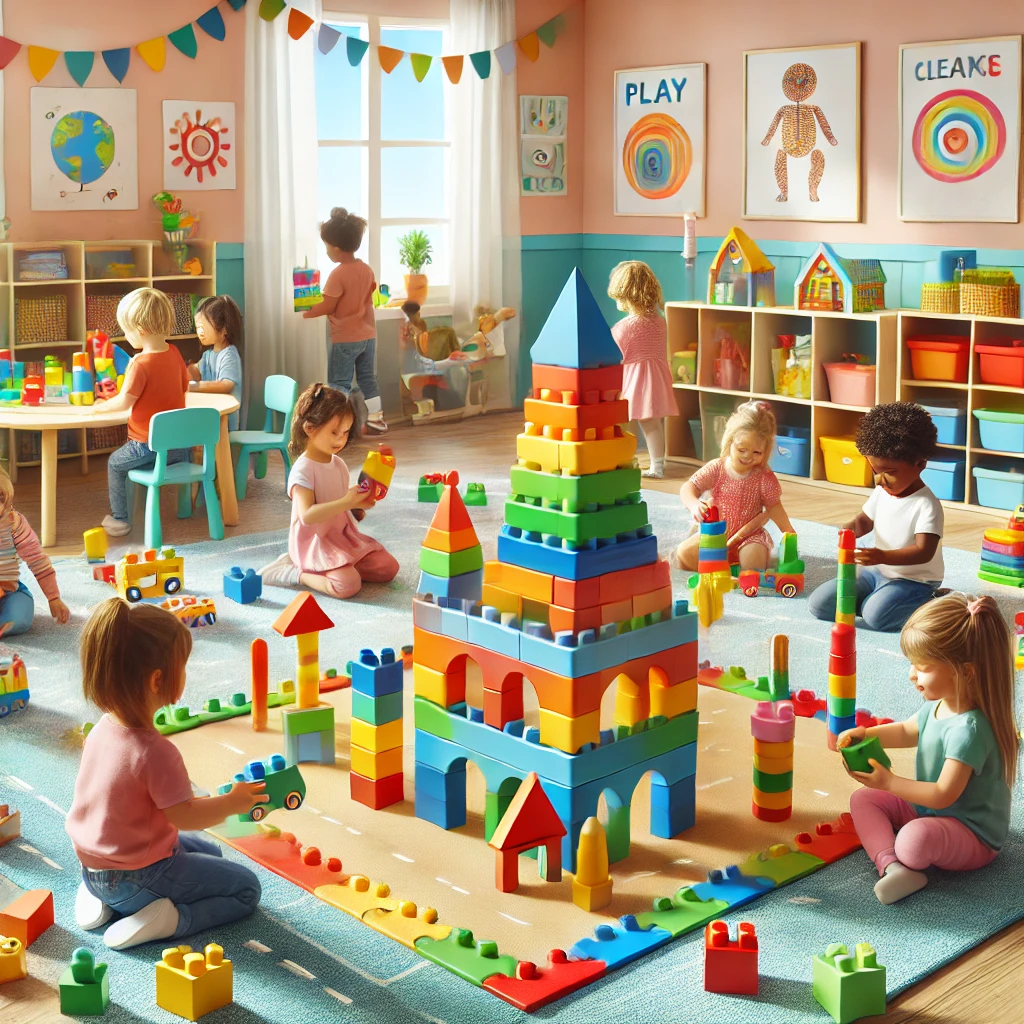

Building blocks have long been a staple in early childhood education, and tinel building blocks preschool are revolutionizing how children develop essential skills during their formative years. Designed with precision, creativity, and safety in mind, Tinel Building Blocks provide a versatile and engaging learning experience that fosters creativity, problem-solving, and motor skill development. In this comprehensive guide, we delve into what makes tinel building blocks preschool a must-have for preschools and parents alike.
Why Tinel Building Blocks Are Perfect for Preschoolers
Preschool is a crucial time for brain development, and toys like tinel building blocks preschool play a significant role in nurturing foundational skills. These blocks stand out for their educational value, durability, and child-friendly design. Here’s why they’re an excellent choice:
- Hands-on Learning: Tinel Building Blocks encourage tactile exploration, helping children understand spatial relationships, balance, and symmetry.
- Cognitive Development: Through stacking, sorting, and building, children enhance their problem-solving abilities and logical thinking.
- Social Skills: Working with peers to create structures promotes teamwork and communication skills.
Key Features of Tinel Building Blocks
1. Safe and Durable Materials
Safety is paramount when it comes to preschool toys. Tinel Building Blocks are made from non-toxic, BPA-free materials, ensuring they are safe for children to handle. Additionally, their robust construction withstands rough play, making them ideal for classroom and home use.
- Rounded edges prevent accidental injuries.
- Eco-friendly materials promote sustainability while being safe for little hands.
2. Variety of Shapes and Colors
Tinel Building Blocks are available in a wide array of vivid colors and unique shapes, which captivate children’s attention and spark their imagination. The variety includes:
- Basic geometric shapes, such as squares, triangles, and rectangles.
- Specialty pieces, like arches and cylinders, for advanced building.
- Color-coded sets to introduce basic concepts of sorting and matching.
3. Modular Design for Endless Creativity
The modular nature of Tinel Building Blocks allows for endless combinations and possibilities. Whether it’s building a tower, a house, or a bridge, these blocks adapt to children’s evolving creativity and skills. This open-ended design supports independent play as well as group activities.
Benefits of Tinel Building Blocks in Preschool Education
1. Promoting Fine Motor Skills
Manipulating small blocks helps children develop fine motor skills and hand-eye coordination. This is essential for tasks such as writing, drawing, and using scissors later in life.
2. Encouraging STEM Learning
Building blocks are an excellent introduction to STEM (Science, Technology, Engineering, and Mathematics) concepts. Tinel Building Blocks teach:
- Physics principles, like balance and gravity, through construction.
- Basic math skills, such as counting and comparing sizes.
- Engineering concepts, as children learn how to create stable structures.
3. Boosting Creativity and Imagination
Tinel Building Blocks are designed to foster creativity. They provide children with the tools to bring their ideas to life, whether they’re building a simple tower or an intricate cityscape. This nurtures:
- Innovative thinking: Encouraging children to think outside the box.
- Storytelling skills: Children often create narratives around their block creations, enhancing their verbal and cognitive abilities.
4. Supporting Emotional and Social Development
Building blocks are a fantastic way to teach emotional and social skills. Through collaborative play, children learn:
- Patience and perseverance, as they work through challenges.
- Conflict resolution, by sharing and negotiating with peers.
- Confidence, as they take pride in their creations.
How Tinel Building Blocks Compare to Other Options
Tinel Building Blocks are a superior choice when compared to other building block brands. Here’s how they excel:
| Feature | Tinel Building Blocks | Generic Building Blocks |
|---|---|---|
| Material Safety | BPA-free, eco-friendly | May contain harmful substances |
| Durability | Long-lasting, break-resistant | Prone to wear and tear |
| Educational Value | Comprehensive STEM learning | Limited educational scope |
| Design Variety | Unique shapes and colors | Standard shapes only |
Incorporating Tinel Building Blocks in Preschool Activities
1. Structured Activities
Preschools can use Tinel Building Blocks in structured activities to teach specific skills:
- Color Sorting Games: Teach color recognition and classification.
- Counting and Math Challenges: Use blocks to introduce addition, subtraction, and counting.
- Shape Identification: Help children learn the names and properties of shapes.
2. Free Play Sessions
Free play is equally important in fostering creativity. During unstructured sessions, children can explore tinel building blocks preschool at their own pace, experimenting with designs and learning through trial and error.
Tips for Parents and Teachers
1. Creating a Safe Play Environment
Ensure children have a dedicated, clutter-free space to play with the blocks. Supervision is recommended to prevent choking hazards for younger preschoolers.
2. Encouraging Teamwork
Organize group activities where children work together to build a shared structure. This promotes cooperation and communication.
3. Combining with Other Educational Tools
Pair tinel building blocks preschool with other toys, such as puzzles or role-playing kits, to create a holistic learning environment.
Why Choose Tinel Building Blocks for Preschoolers
Tinel building blocks preschool combine educational value, safety, and fun, making them a top choice for early childhood development. Their ability to nurture creativity, social skills, and STEM learning sets them apart from other toys.
Conclusion
Tinel building blocks preschool are more than just toys; they’re powerful educational tools that help preschoolers develop essential skills in a fun and engaging way. From cognitive development to fine motor skills, these blocks provide a well-rounded learning experience that prepares children for future challenges.